
No Heat in the House: What to Do Before the Technician Arrives
Immediate Safety First: Gas Smells and CO Alarms
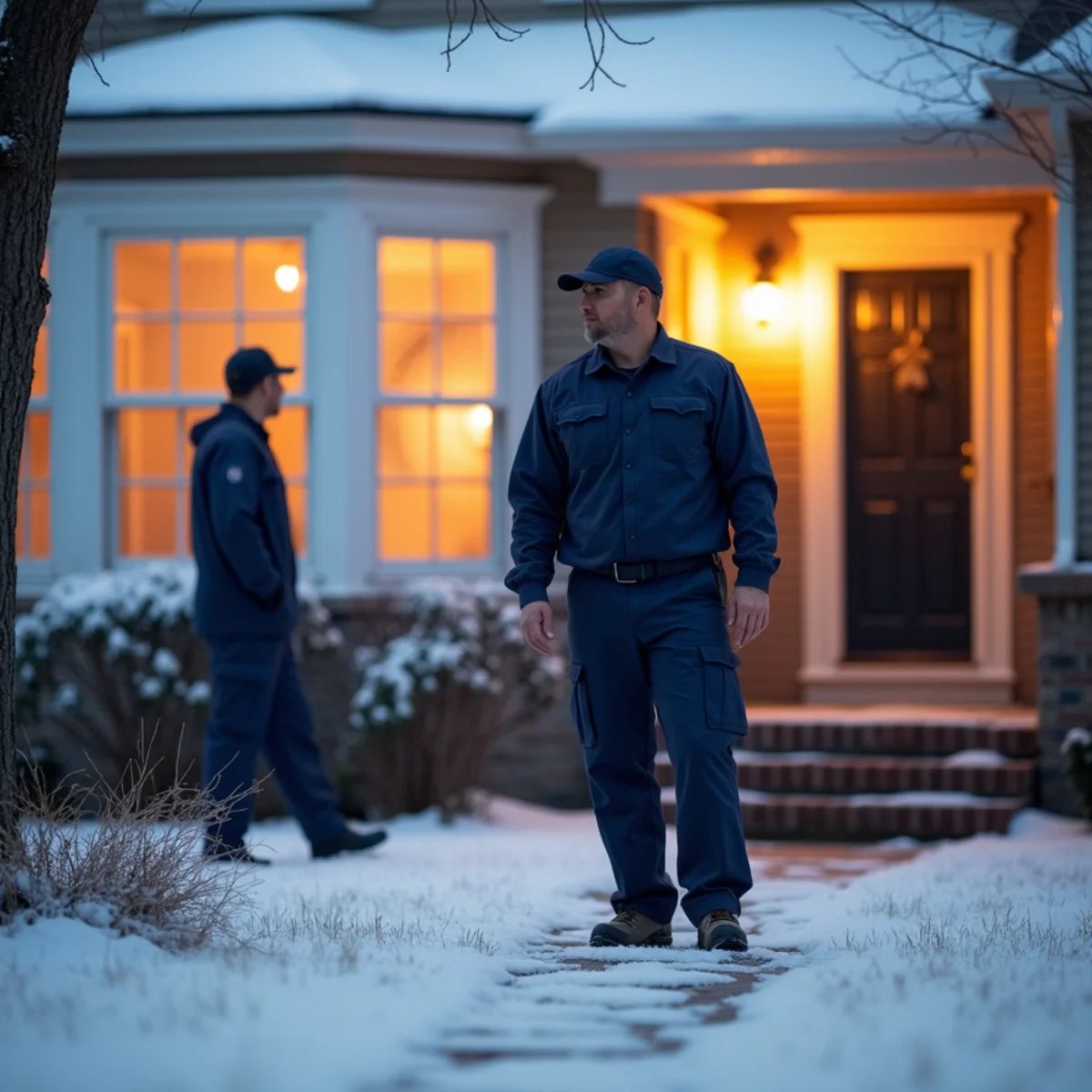
If you smell natural gas or propane (sulfur or rotten egg odor), or if your carbon monoxide detector sounds its alarm, evacuate your home immediately. Do not flip light switches or use landline phones inside, as static sparks can ignite accumulated gas. Leave doors open to ventilate, walk across the street, and dial 911 or Columbia Gas of Virginia immediately. If no gas odors or alarms exist, proceed with basic heating system diagnostic checks.
Verify Furnace Emergency Power Switches
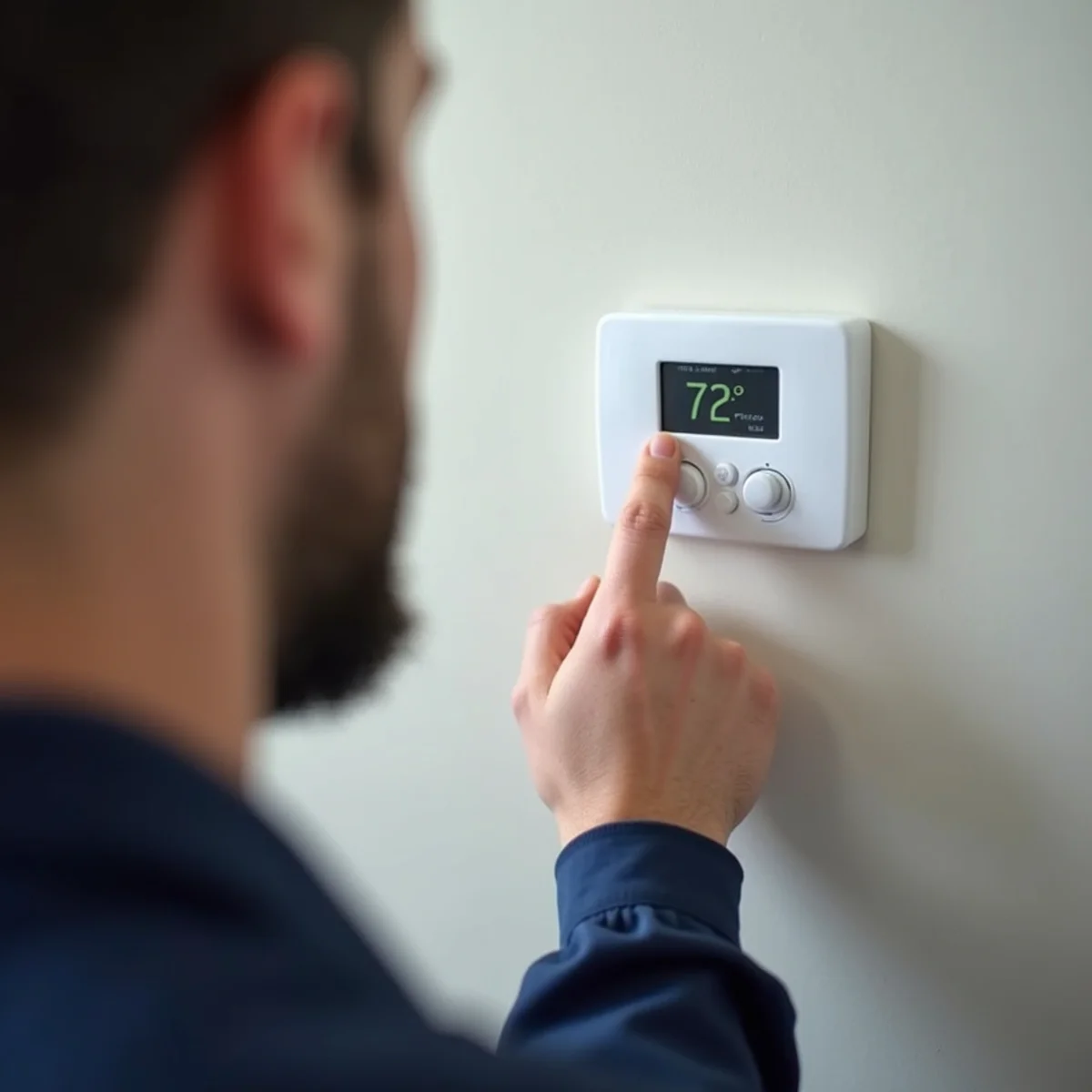
Almost every residential gas or electric furnace in Prince William and Fauquier counties features an emergency power toggle switch mounted on the side of the furnace cabinet or at the entrance to the basement stairs. This switch looks identical to an ordinary light switch and is frequently flipped to 'OFF' accidentally by family members, pets, or service personnel. Ensure this switch is in the 'ON' position. In addition, check that the lower blower compartment access door is seated tightly—an open door safety switch will mechanically cut all 120V line power to the control board.
Check Gas Shutoff Valves and Fuel Supply
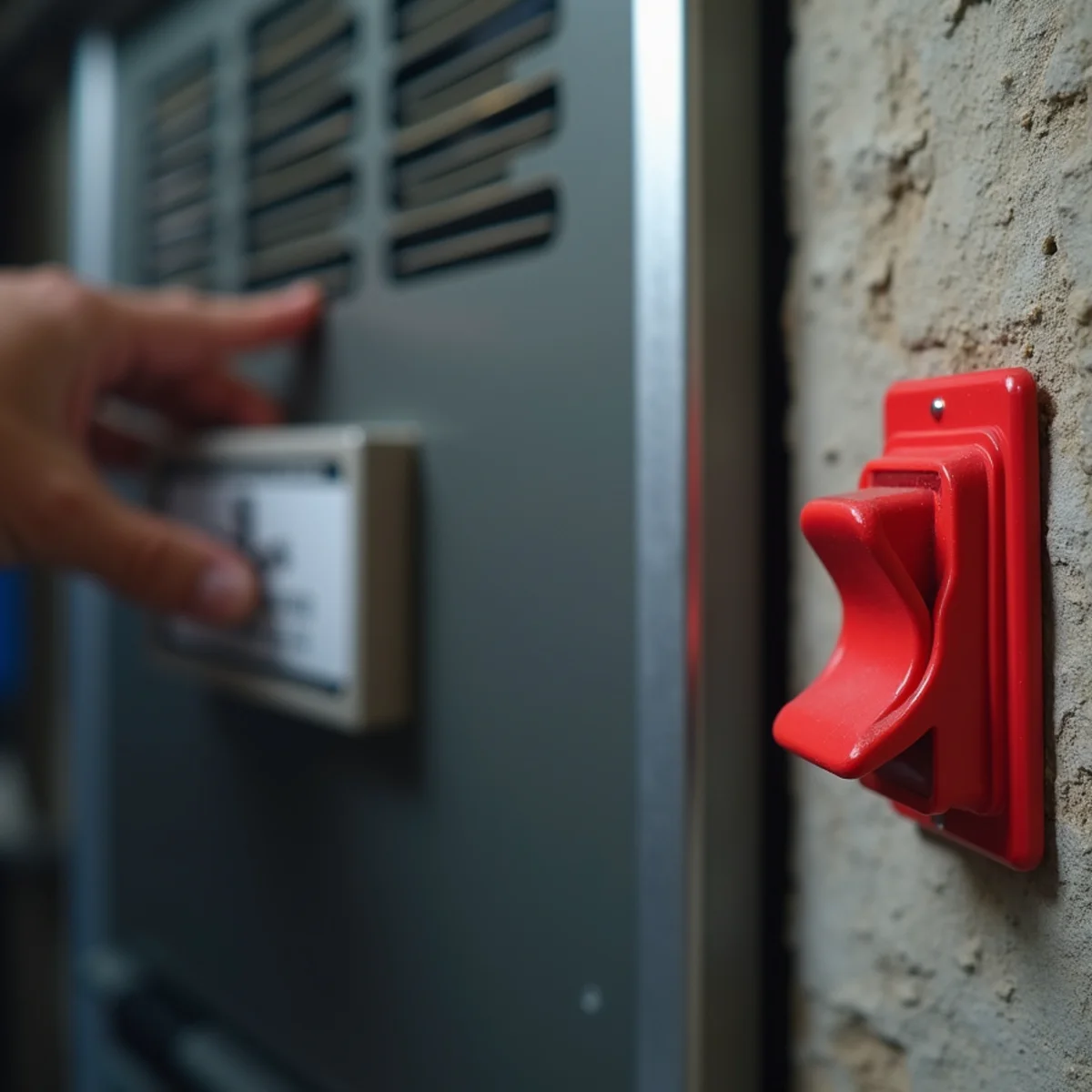
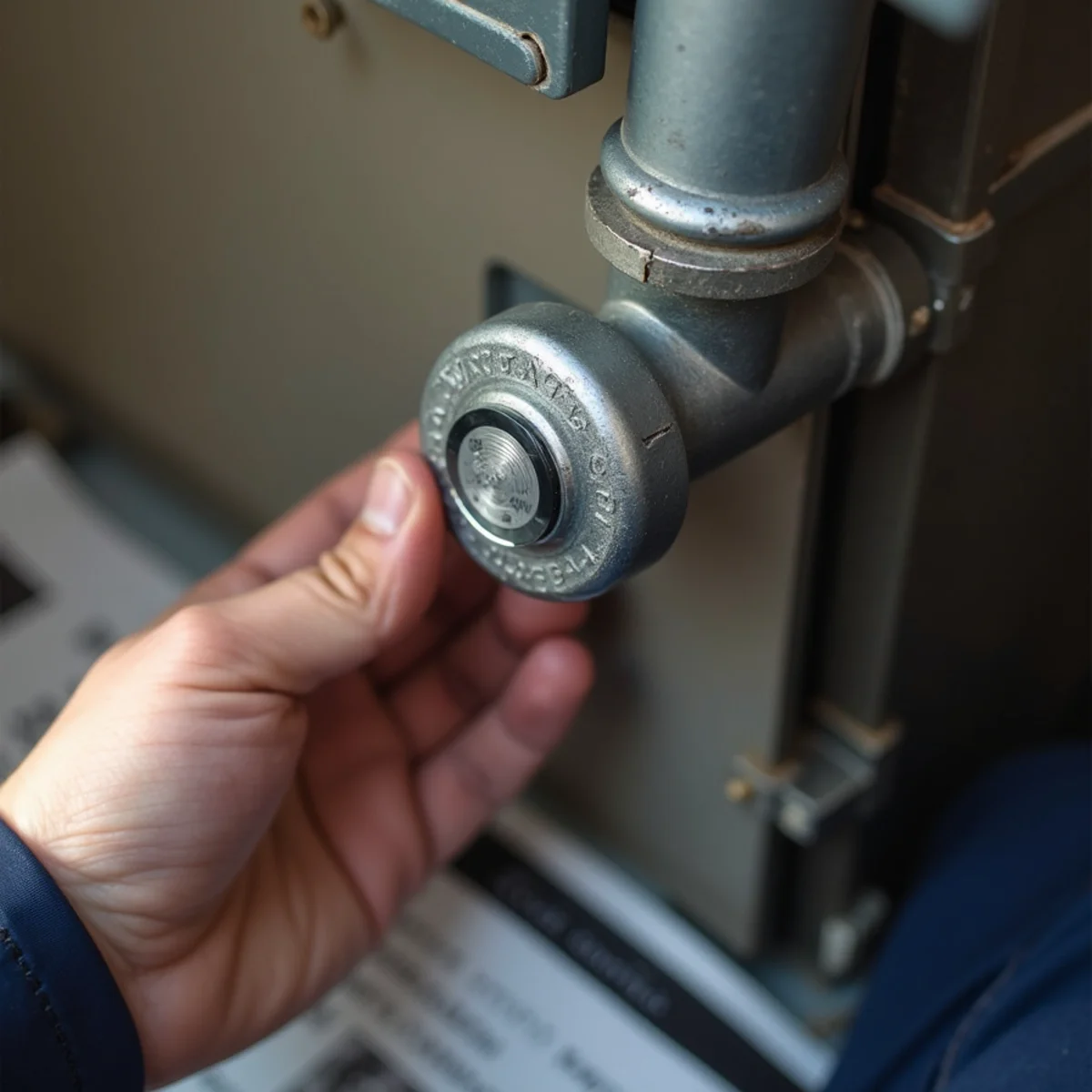
For natural gas furnaces, ensure the manual yellow gas shutoff valve inline with the black iron pipe entering the furnace is parallel to the pipe (open). If other gas appliances (water heater, cooktop, or fireplace) also fail to ignite, the problem may be an exterior utility meter regulator freeze or supply interruption. If you live on a rural property in Warrenton, Haymarket, or Fauquier County with propane heating, check your outdoor propane tank gauge to verify fuel has not fallen below 15%, which causes vapor pressure starvation in sub-freezing ambient air.
Look at the Furnace Diagnostic LED Light
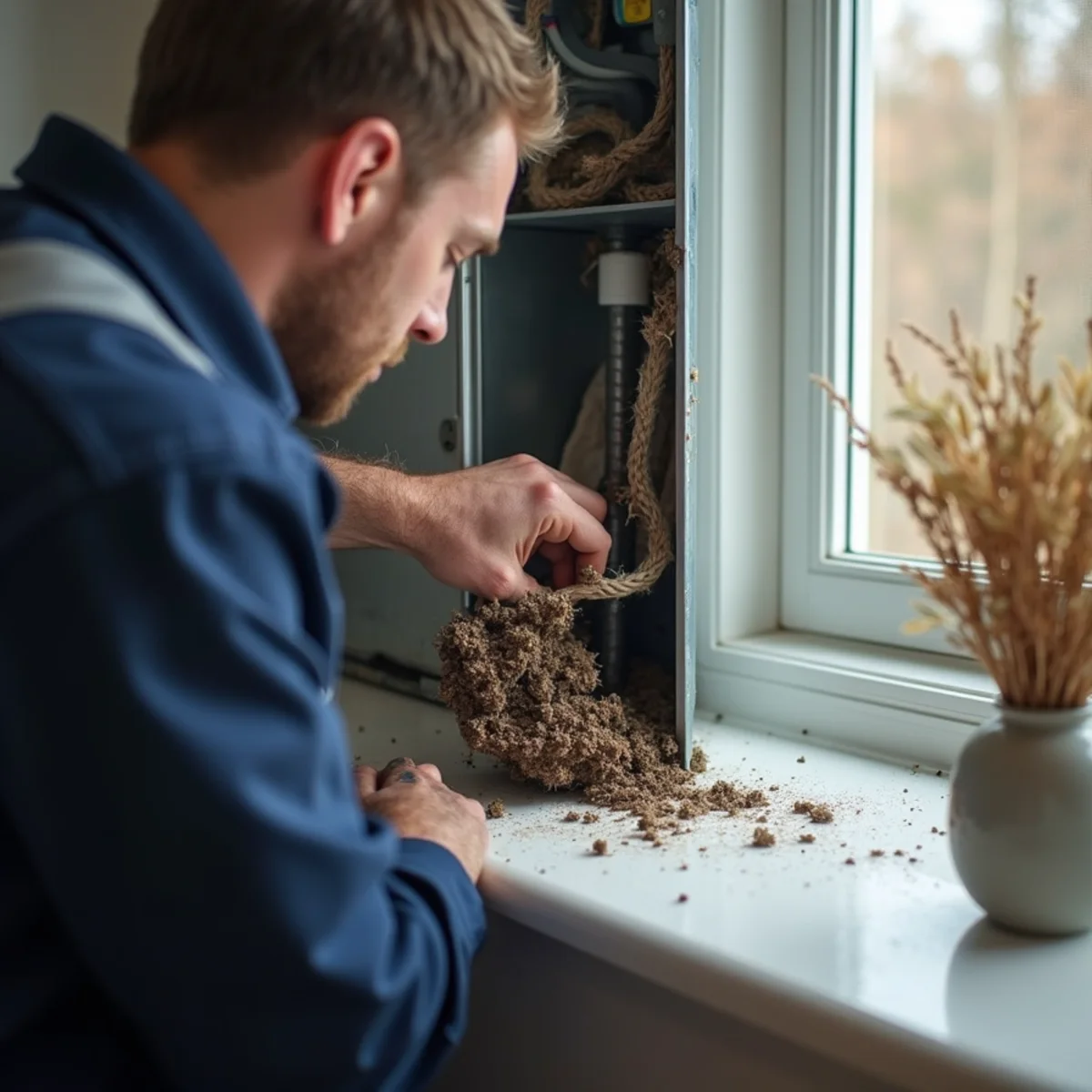
Modern gas furnaces feature a clear sight glass on the lower blower access panel. Peer through to observe the flashing LED light on the integrated control board. Count the number of flashes (e.g., 3 flashes for draft pressure switch failure, 4 flashes for open high-limit switch, or 1 flash for flame ignition lockout). Note this code to tell your technician when they arrive; it points directly to whether the fault is combustion air, flame sensing, or airflow restriction.
Heat Pump Systems: Switching to Emergency Heat
If you have an all-electric heat pump and the outdoor unit is seized, humming loudly, or encased in thick solid ice, switch your thermostat setting from 'HEAT' to 'EMER HEAT' (Emergency Heat). This bypasses the outdoor compressor and activates indoor electric resistance heat strips (5 kW to 20 kW) to maintain safe indoor temperatures while awaiting repair. Note that emergency heat operates at higher electrical cost, so it should be used strictly as a temporary bridge until your heat pump can be diagnosed.
Protecting Your Home and Plumbing While Awaiting Dispatch
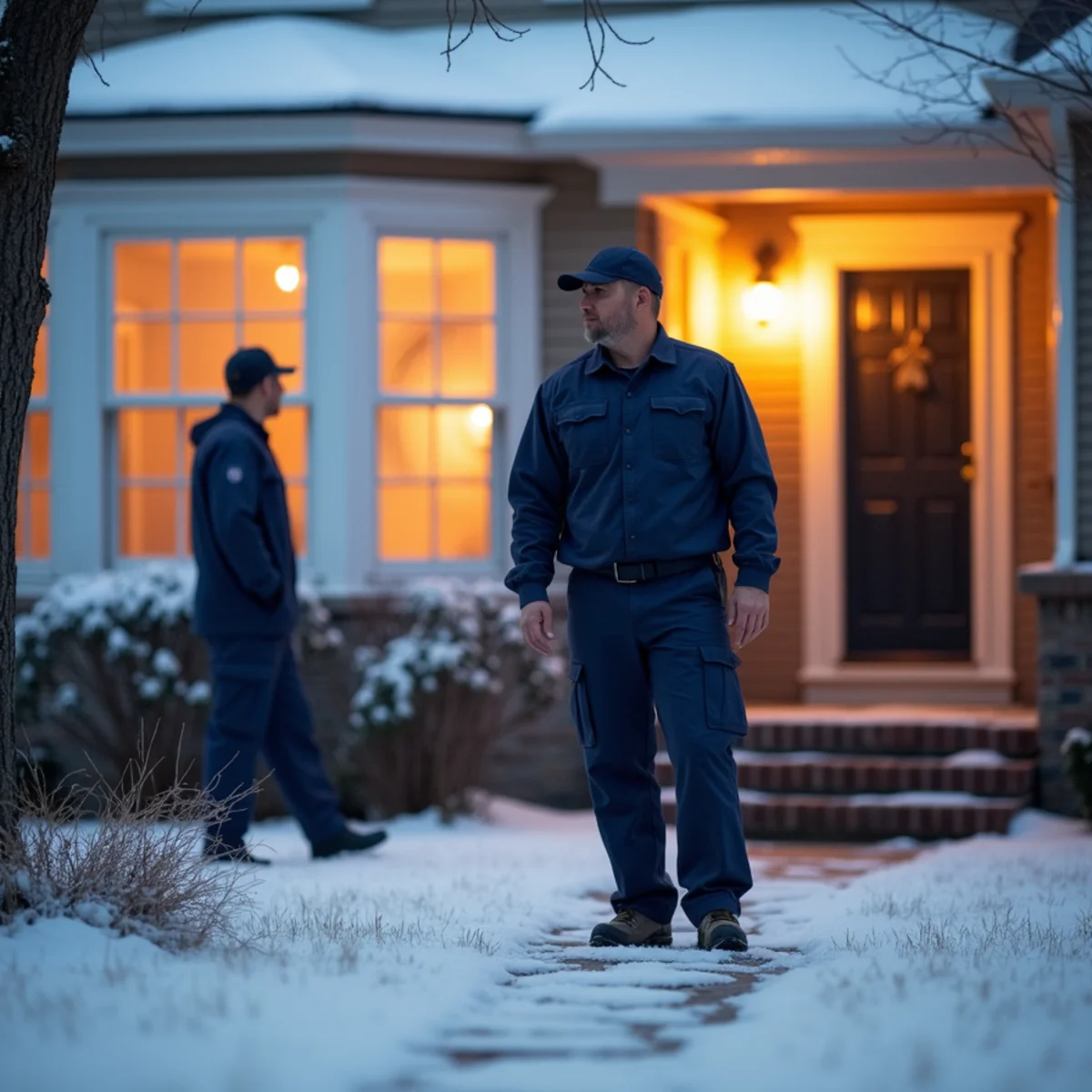
While waiting for emergency HVAC arrival: close all window blinds and curtains to insulate against cold drafts, open under-sink cabinet doors in kitchens and bathrooms to allow household warmth to reach exterior-wall plumbing pipes, and let hot and cold faucets drip at a slow trickle to prevent water lines from freezing and rupturing. Congregate family members in a central, sun-facing room and never use outdoor propane camping heaters or kitchen gas ovens as indoor heat sources due to fatal carbon monoxide poisoning risks.
Frequently Asked Questions on This Topic
Quick practical answers for Northern Virginia homeowners.
Our local Gainesville HVAC dispatch team is ready to assist you.
Recommended Next Steps & Related Services
Need Fast Heating or Cooling Help in Gainesville?
Connect with our 24/7 dispatch coordinators to schedule diagnostic service with a licensed Virginia technician.
Not urgent? Send a request
For non-emergency quotes, planned replacements, and inquiries. For the fastest help, call (321) 478-0693.